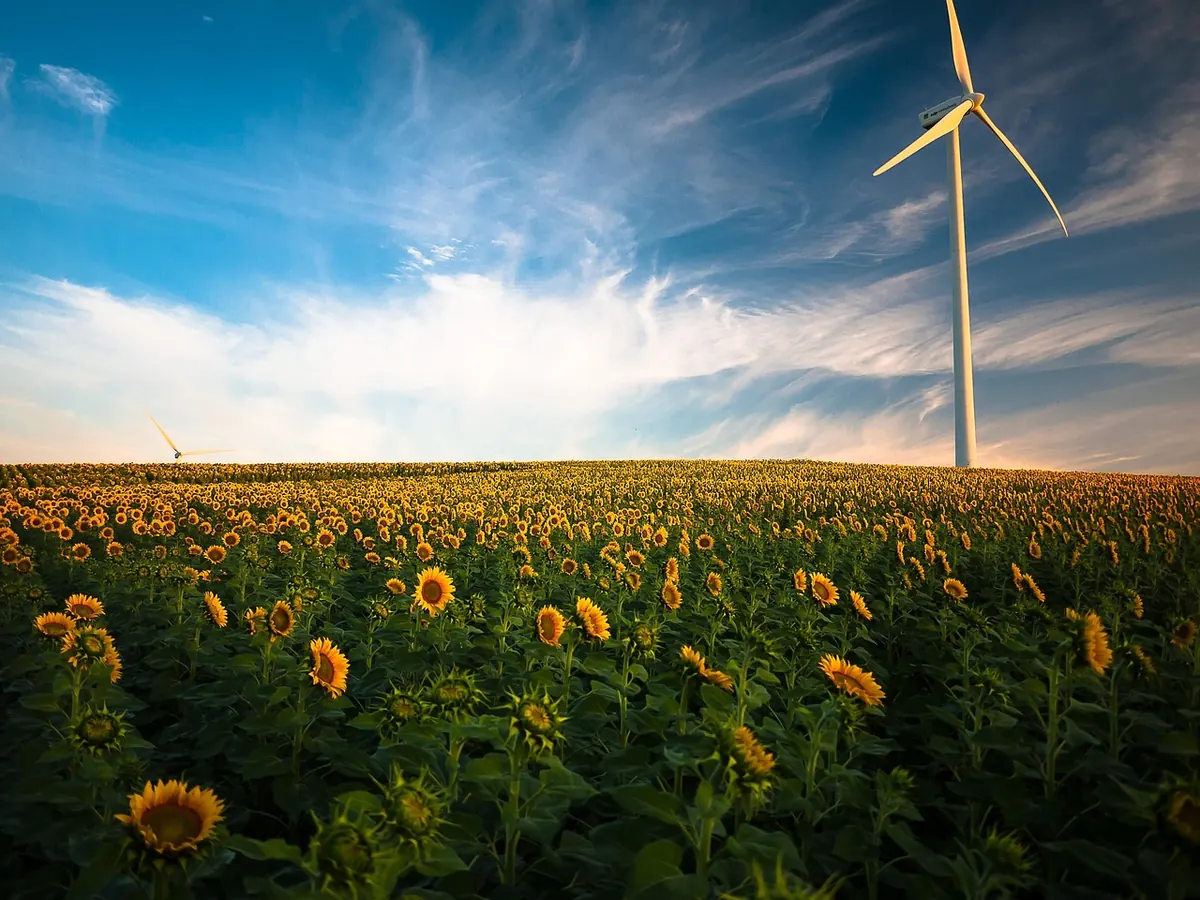
A sunflower field looks effortless from the road: a yellow wall, a blue sky, and nothing much to organise. The first visit usually proves otherwise. Parking fills up, the light at noon flattens every photo you take, and the one thing you left in the car — water, closed shoes, a bag for the stems — turns out to be the thing you needed most. None of this is complicated. It just helps to think it through an evening in advance, which is what this checklist is for.
Before You Book: Five Questions Worth Asking
Sunflower bloom windows move. A farm that was a solid yellow carpet in the middle of July last year may run three weeks earlier or later this time, because planting dates, variety choice and summer heat all shift the schedule. Check the farm's own updates before you plan the drive, and if the website is vague, write or call and ask plainly what is open today. "In bloom" can mean a field at its peak, or a field with the first rows open and the rest still green.
Once the timing looks right, get these answers:
- Is entry ticketed, and do I need a timed slot? Some farms take walk-ins all day; others sell online only and sell out on weekend mornings.
- What does the ticket include? Field access only, or also cut-your-own stems, a picnic area, a maze, a small café?
- Is there shade, seating and drinking water on site? A sunflower field is an open, hot place at two in the afternoon, and shade is not guaranteed.
- Are dogs allowed, and on a lead? Ask even if you are not bringing one — it tells you how busy and how family-oriented the place is.
- How does the ground hold up after rain? If anyone in your group uses a wheelchair or a pushchair, ask specifically about paths rather than grass.
Book earlier than feels necessary for weekend visits in peak bloom, and check the cancellation or weather policy at the same time. Farms that sell timed slots often let you move a booking if a storm closes the field — but only if you ask before the slot, not after.
What to Wear: Dress for Pollen, Heat and Thorns That Aren't There
Forget the sundress-and-sandals image. Sunflower fields are agricultural ground: rough soil, stubble, irrigation lines, and stems taller than most adults. Closed-toe shoes are the single most useful decision you will make. Trainers or sturdy walking shoes are fine; anything with an open toe will collect soil within ten minutes.
Long trousers protect your legs from coarse stem hairs and scratchy leaves when you move between rows, and a light long-sleeved shirt does the same for your arms while keeping the sun off. Linen and loose cotton work better than anything tight and synthetic. Add a wide-brimmed hat and sunglasses, and bring a thin layer for early mornings or late afternoons when the temperature drops faster than you expect in open countryside.
One small tweak: skip strong perfume, scented lotion or hair products if you can. Bees are not interested in you, but there is no reason to compete with the flowers for their attention. Wear colours you like — white and blue photograph beautifully against yellow — and leave the flowing, trailing fabrics at home. They snag, they collect seeds, and they get caught on stems.
What to Pack in a Small Bag
You do not need much, but the few things you do need are annoying to buy at a farm gate. A single tote or small backpack per two people is plenty.
- Water, more than you think. One bottle per person minimum, and freeze one overnight so it stays cold.
- Sunscreen and a hat. Fields offer almost no shade, and you will stay longer than planned.
- Hand wipes or a small towel. Soil, pollen and sticky sap are part of the experience.
- A cloth or paper bag for cut stems. Ask the farm whether they provide wrapping; many do, some don't.
- Insect repellent. Useful near irrigation ditches and in the last hour before dusk.
- Snacks and a blanket if picnics are allowed, and a rubbish bag to take everything home.
- A charged phone and a little cash. Card readers in rural fields are not always reliable.
Leave the drone at home unless you have asked first. Many farms prohibit them outright, and the ones that allow flights usually want them kept away from other visitors.
Pick Your Hour: Light, Heat and Crowds
Two windows work best. Early morning, ideally within an hour or two of opening, gives you soft side light, cooler air, fewer people and flowers that are still facing the sun properly. Late afternoon into golden hour gives you the warm glow everyone comes for, but it is also the busiest slot on a summer weekend.
Midday is the honest trade-off: harsh overhead light, high heat, and the field at its most crowded. If that is the only time you can come, come anyway — just bring more water, plan a shorter visit, and save the photographs for the ends of the rows where you can find a bit of angle.
An overcast morning is not a wasted visit. Soft, even light flatters faces, and the yellow reads richer without glare bouncing off every petal.
Allow more time than you think: an hour to walk and photograph, another thirty minutes if you plan to cut stems, and a buffer for parking. Check the forecast the night before, and check the farm's social updates the morning of — wet fields are sometimes closed at short notice because walking between rows churns the soil.
Field Etiquette: Bees, Rows and Photographs
Walk along the paths between rows rather than cutting across the plants. Stems bend, and a field that has been walked through in straight lines looks tired within a week. Pick only where the farm allows it, and only flowers that are fully open and are marked or pointed out as available for cutting. Bring your own secateurs if the farm does not lend them, and cut at an angle, leaving a reasonable length of stem.
Bees will be working the flowers, sometimes several to a head. They are focused on the job and have no interest in stinging you. Move slowly, do not swat, and do not put your face directly into a bloom for a close-up. If anyone in your group has a bee-sting allergy, treat it as a medical matter and speak to a pharmacist or doctor before the visit rather than relying on a plan improvised at the field edge.
If you are bringing children
Use the toilet before you arrive, agree on a meeting point at the entrance, and set one rule: hands gentle, feet on the path. Children who understand that the flowers are someone's crop usually behave better than expected. Sun hats and water matter more than snacks here — open fields get hot quickly.
If you are coming for photographs
Bring what you will actually carry, and skip props that shed glitter, confetti or loose petals into the soil. Do not stand on crates or lean into neighbouring plants for a better angle, and give other visitors room. If a farm allows tripods, it usually still asks you to keep them out of the main walking routes.
The Night Before: A Five-Minute Check
Confirm your booking and your arrival window. Read the farm's latest update on opening hours and field conditions. Charge your phone, fill and freeze the water bottles, and put shoes, hats and the bag by the door. Check who is driving and how long the trip really takes with weekend traffic. Then sleep — the field will be there in the morning, and the light will be better if you leave early.
Photo: Pexels / Pixabay