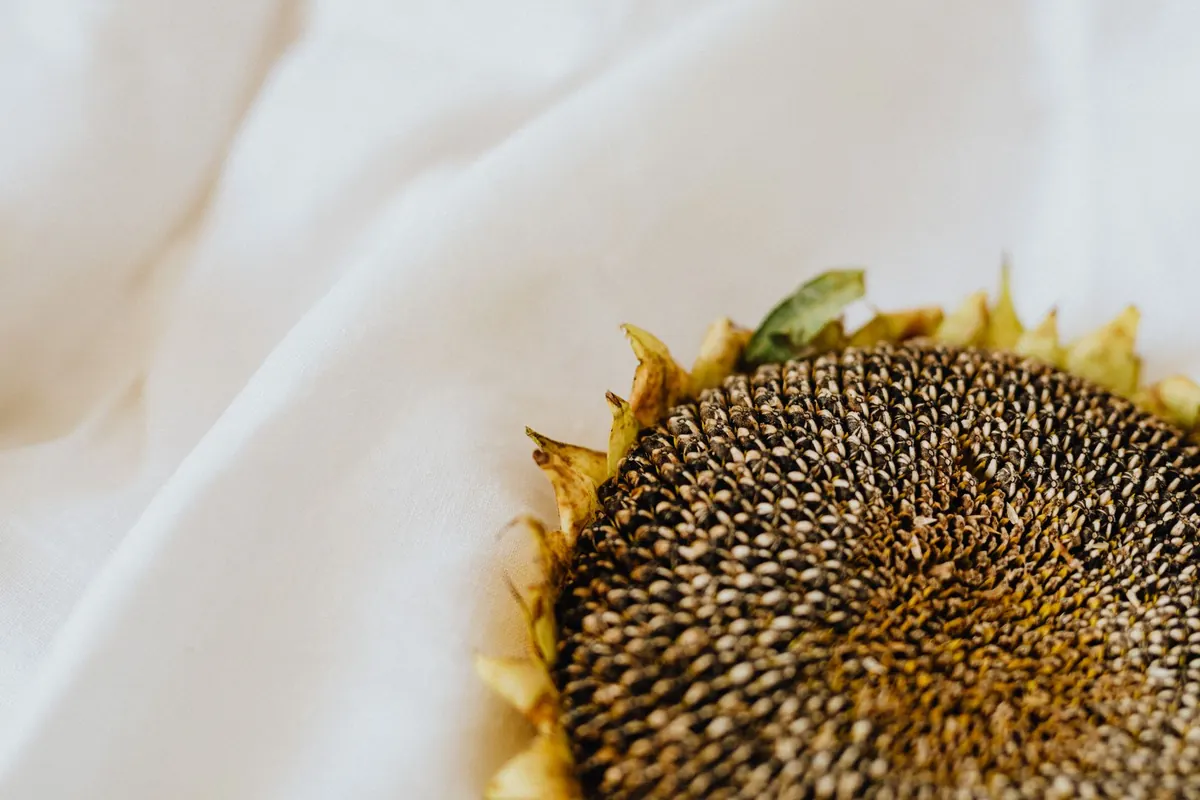
Sunflower seeds are the quiet workhorse of our farm kitchen. They are harvested a short walk from the table, they cost a fraction of pine nuts, and they blend into something silkier than most people expect. With a handful of basil, a clove of garlic and good olive oil, you get a pesto that is bright, faintly sweet and sturdy enough to coat pasta without disappearing into it. This is the version we make in batches through the season, along with three variations that keep it from becoming routine by August.
Why Sunflower Seeds Belong in Pesto
Pine nuts make a beautiful pesto, but they are expensive and often travel a long way to reach a kitchen. Hulled sunflower seeds are grown in fields like ours, keep well in a jar in the cupboard, and bring a softer, rounder flavour than most people are used to. Where pine nuts can taste resinous, sunflower seeds taste mild and buttery. That mildness is an advantage: the basil, the garlic and the olive oil get to speak first.
The seeds also blend faster. A food processor turns soaked or toasted sunflower seeds into a paste in seconds, which means less time spent whizzing the basil and less chance of the leaves turning dark and bitter from the heat of the blade.
Toast them, then let them cool
Raw sunflower seeds taste flat and slightly green. Spread them on a tray and toast at around 160°C for six to eight minutes, shaking the tray once or twice, until they smell nutty and look pale gold. Stay nearby — they go from golden to acrid quickly. Then tip them onto a plate and let them cool completely. Warm seeds steam inside the processor and produce a sticky, gummy paste. If you only have salted roasted seeds, use them, but hold back on the salt in the recipe until you have tasted.
The Basic Farm-Kitchen Pesto
This makes roughly 350 ml, about one standard jar. A food processor is quickest, but a pestle and mortar gives a coarser, more interesting texture if you have ten spare minutes and a steady arm.
- 100 g hulled sunflower seeds, lightly toasted and fully cooled
- 60 g fresh basil leaves, packed — roughly two large handfuls, washed and dried thoroughly
- 1 small garlic clove, peeled
- 60 g grated Parmigiano Reggiano or Grana Padano (pecorino if you want a sharper edge)
- 120–150 ml extra-virgin olive oil, on the mild side rather than peppery
- Fine sea salt
- A squeeze of lemon juice, optional
- Put the cooled seeds and the garlic in the processor and pulse until they resemble coarse sand.
- Add the basil in two or three additions, pulsing briefly between each. Stop while you can still see flecks of leaf.
- Add the cheese and a pinch of salt, pulse twice.
- With the machine running, pour the oil in a thin stream through the feed tube until the mixture comes together. Start with 120 ml and add more only if it looks stiff.
- Taste. Add salt if needed, a squeeze of lemon if the flavour feels flat, and a spoonful more oil if it is too thick to spoon.
Dry the basil properly. Water on the leaves dulls the colour and shortens the life of the jar, so spin it in a salad spinner or pat it dry with a clean cloth before it goes anywhere near the blade.
Texture and Balance
Most disappointing pesto is disappointing for one of three reasons: too much oil, too much garlic, or a blade that ran too long. Work in short pulses and scrape down the sides. If your processor bowl starts to feel warm, stop and let it cool — heat is what turns bright green basil into olive-brown sludge.
Think of the recipe as a ratio rather than a rule. Roughly two parts toasted seed to one part packed leaves, by volume, gives a spreadable pesto that still tastes of basil. Add cheese to taste rather than by habit; a little goes a long way, and a very cheesy pesto is hard to use as a dressing. Salt last, always, because both the cheese and the seeds may already carry some.
If you need to loosen a stiff batch, use a spoonful of warm water rather than more oil. It lightens the texture without making the jar greasy. Reserve a little pasta water when you cook, and stir the pesto into it off the heat — boiling it directly dulls the fresh flavour.
Three Easy Variations
1. Greener and Brighter: Basil with Parsley and Lemon
Replace a third of the basil with flat-leaf parsley and add the finely grated zest of half a lemon. The parsley keeps the colour lively for longer and the zest lifts the whole jar. Use a slightly milder cheese here, or cut the Parmigiano back to 40 g, so the herbs stay in front. This is the version we spoon over grilled courgettes, steamed green beans and simply cooked fish.
2. Tomato Sunflower Pesto
Halve 200 g of cherry tomatoes, toss with olive oil and salt, and roast at 200°C for about twenty minutes until the edges caramelise. Cool them, then add to the processor after the seeds and before the cheese, along with a pinch of dried oregano. Reduce the cheese to 40 g and use the smaller amount of oil, since the tomatoes bring their own moisture. The result is thicker and sweeter — spread it on toasted bread, fold it through white beans, or thin it with a little water for a quick sauce. In winter, 80 g of drained sun-dried tomatoes packed in oil work well; soak them briefly if they are very salty, and reduce the added salt accordingly.
3. Spicy Sunflower Pesto
Start with one fresh red chilli, deseeded, or a good pinch of chilli flakes, added with the seeds. Drop the garlic to half a clove, because heat and raw garlic can compete unpleasantly. A quarter teaspoon of smoked paprika is a good addition if you want warmth rather than pure fire. Taste before adding more heat — it builds as the pesto sits. This one belongs with roasted squash, lentils, grilled aubergine and any sandwich that needs waking up. Keep a separate jar if you are feeding people who would rather not have chilli.
Keeping It, and Using It Up
Spoon the pesto into a clean jar, press it down to remove air pockets, and pour a thin layer of olive oil over the surface. Seal and refrigerate. It will keep for about five days, and the flavour settles after a few hours. Do not leave a jar of fresh herb and garlic pesto sitting out on the counter; keep it cold and use a clean spoon each time.
For longer storage, freeze it in an ice-cube tray, then tip the cubes into a bag. A cube or two dropped into a pan of hot pasta thaws almost instantly. Pesto with cheese freezes well; the texture is slightly looser after thawing, which matters little once it meets a hot saucepan.
A few ways we use a jar through the week:
- Stirred through pasta with a splash of cooking water
- Spread thinly under grilled cheese or on a tomato sandwich
- Loosened with vinegar for a dressing on warm potatoes
- Swirled into soup just before serving
- Spooned over roasted carrots, peppers or fish from the oven
Make a Double Batch
The seeds take minutes to toast and the rest comes together faster than reading the recipe. Make twice as much as you need, keep one jar in the fridge and freeze the other. Taste before you salt, dry your basil properly, and let the seeds cool — those three habits are the difference between a jar that lasts the week and one that goes dark by Tuesday. If you are serving guests, check first about seed and nut allergies, and adjust the recipe to suit what is actually growing in your own garden. A pesto is a starting point, not a fixed formula.