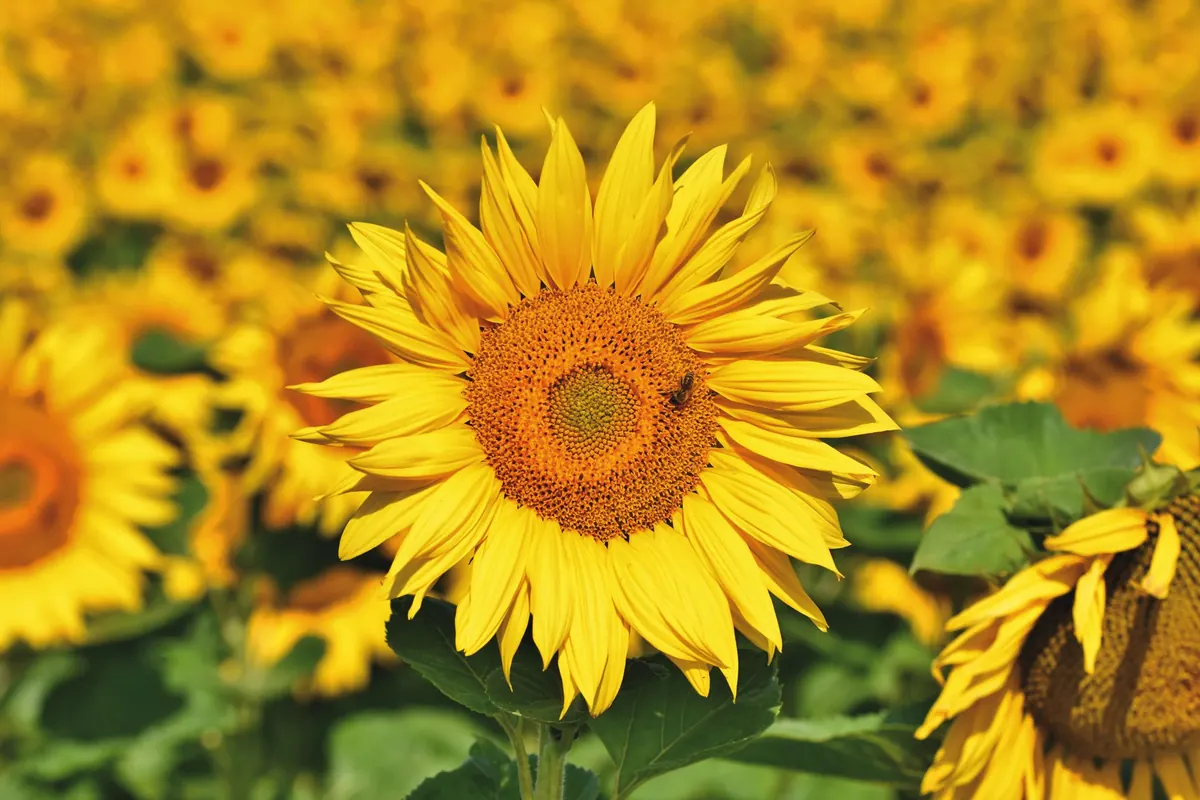
A sunflower field at peak bloom is one of summer’s most generous sights: thousands of heads turned toward the light, bees working the outer petals, and a yellow so strong it seems to hum. The trick is that this moment does not arrive on a fixed date. It is nudged earlier by heat, delayed by cool spring soil, shortened by drought, and sometimes flattened by a single storm. If you are planning a visit, the best approach is part calendar, part weather-watching, and part conversation with the people who grow the flowers. Here is how the season usually unfolds, and how to give yourself the best chance of arriving at the right moment.
When Sunflowers Usually Bloom
In a temperate climate, sunflowers generally begin flowering in late June and continue through July, with some fields holding color into August. In warmer areas, the first heads may open in mid-to-late June. At higher elevations, or where sowing is deliberately staggered, blooms can stretch later into the summer. A single field rarely stays at its absolute peak for long. Plan on roughly one to two weeks of strong color, though individual heads open and fade at different speeds, so the field changes character day by day.
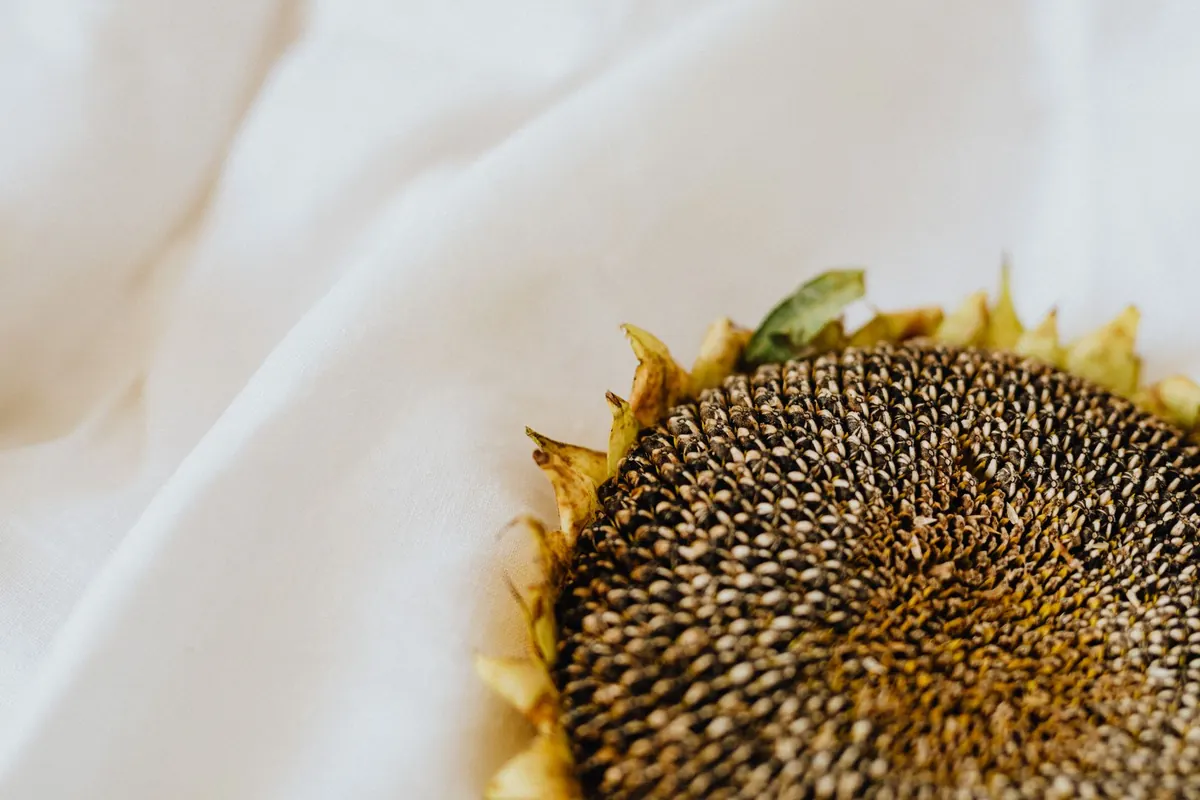
That narrow window is why sunflower visits reward a little flexibility. If you can choose between a Saturday and the following Wednesday, keep both open and decide when the farm reports the field is “coming into its own” rather than “just starting” or “going over.” A field that is 30 percent open can still be beautiful, but it is not the dense wall of yellow most people picture. A field that is already dropping petals still has structure and seed heads, but the color is quieter.
What Moves the Bloom Date
Sowing date is the biggest factor. Sunflowers planted once the soil has warmed usually flower earlier than those planted into cool ground. Varieties differ, too: some are bred for a shorter season, while others take longer to mature. Latitude and altitude matter, as do soil moisture and the number of warm days after planting. A cool, wet spring can push the whole schedule back; a hot, dry stretch can bring flowers on quickly and then shorten the show.
Why two fields can peak a week apart
A farm may sow in blocks rather than all at once. That spreads risk and labor, and it stretches the season for visitors. Two fields on the same farm can sit a week or more apart in maturity because of sowing date, variety, soil depth, or exposure. This is useful to know when you see photographs online. A picture taken last July is a guide, not a promise. Ask which field is open and what stage it is in, not simply whether sunflowers are “out.”
Weather Effects You Can Read in the Field
Heat speeds development. A run of hot days can move a field toward peak faster than expected, and it can also bring that peak to an end sooner, especially if the soil is dry. Drought stress may shorten stems and reduce head size, while steady moisture usually supports fuller growth. Heavy rain and wind are the less welcome guests: they can lean stems, weigh down heads, and create muddy paths. Humidity can make the field feel close and bring more insects into the aisles.
Sunflowers are also solar trackers when young, turning their heads toward the sun through the day. As they mature, most settle into an east-facing position. That detail matters for visitors. Morning light often falls directly on the faces of the flowers; late afternoon gives backlit petals and long shadows. An overcast day can be excellent for portraits because the light is soft and even, though the field will look less golden than it does in sun.
How to Plan Around Peak Bloom
Start with the farm’s own updates, then use the weather forecast as a second filter. A reliable plan is built in steps:
- Check the current stage. Ask whether the field is budding, early bloom, peak, or past its best. “Peak” should mean most heads are open and petals are fresh.
- Look at the week ahead. Heat, wind, and heavy rain can change the picture quickly. If a storm is coming, visit before it rather than after.
- Choose a flexible day. Weekdays are calmer than weekends, and early morning or late afternoon is kinder than midday heat.
- Confirm access details. Opening hours, parking, paths, and whether photography or dogs are allowed can vary by farm and by field.
- Leave room for a second try. If the flowers are not quite ready, a return visit a few days later may be better than forcing the moment.
If you are traveling some distance, do not rely on a social media post from three days earlier. Call or check the latest update on the day you plan to go. Ask what the farm recommends for footwear after rain. A field that photographs beautifully can still have sticky clay paths and wet stems.
Timing Your Visit Through the Day
Early morning is a good default. The air is cooler, the light is clean, and the bees are busy without being overwhelming. Midday can be bright and hot, with harsh shadows and a field that feels more like a sun trap than a garden. Late afternoon is the other sweet spot, especially for wide views and backlit portraits. If you are bringing children or older visitors, choose the cooler edges of the day and carry water. Sunflower fields offer little shade once you are among the rows.
A Simple Fieldside Checklist
- Wear closed shoes you do not mind getting dusty or muddy.
- Bring water, a hat, and sun protection; shade is scarce.
- Stay on marked paths and avoid cutting through stems.
- Do not pick flowers unless the farm explicitly allows it.
- Keep a respectful distance from beehives and active pollinators.
- Ask before bringing dogs or professional photography equipment.
- Take litter home, including fruit peels and small wrappers.
- Check the farm’s latest bloom update before setting out.
Make the Season Work for You
The best sunflower visit is not necessarily the one with the perfect forecast. It is the one that matches the field’s real stage. Aim for the middle of the bloom window, keep your plans loose by a few days, and let the farm’s updates guide you. If you arrive a little early, enjoy the buds and the first open heads; if you arrive a little late, look for the seed heads and the quieter gold. Either way, walk slowly, stay on the paths, and leave the field as you found it. That is how a short seasonal spectacle stays worth returning to next year.
Photo: Ralph / Pexels